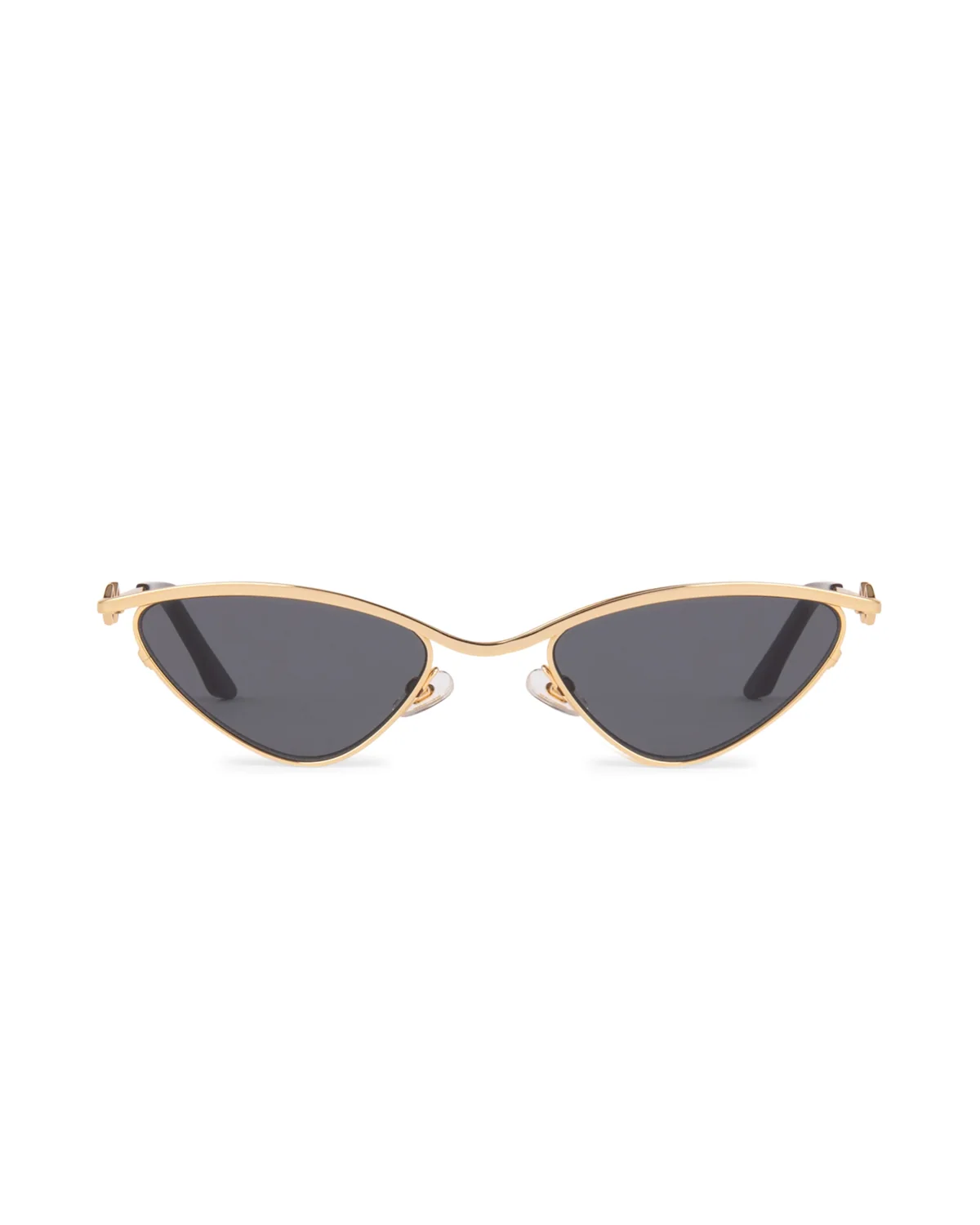
Frame profile and angles
Use straight-on, three-quarter and side views to describe the silhouette and temple shape. Keep framing consistent across colourways.
Show the shape of a frame, its colour and how it fits. We photograph glasses and sunglasses for optical retailers and eyewear brands, with consistent catalogue views and styled options.
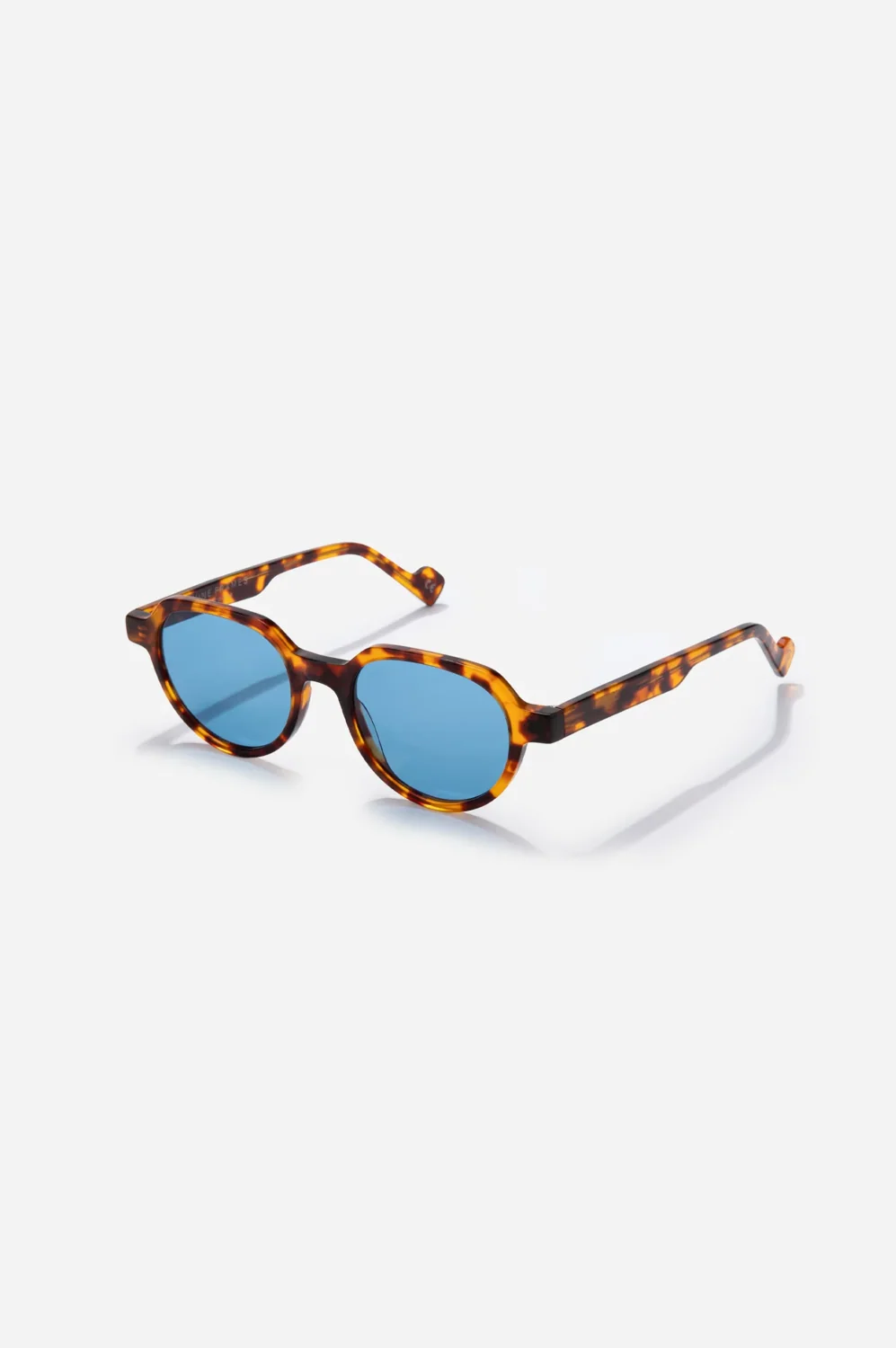
Use straight-on, three-quarter and side views to describe the silhouette and temple shape. Keep framing consistent across colourways.
Balance lens reflections so that tint and frame texture remain readable. Add close-ups for hinges, branding and transparent materials.
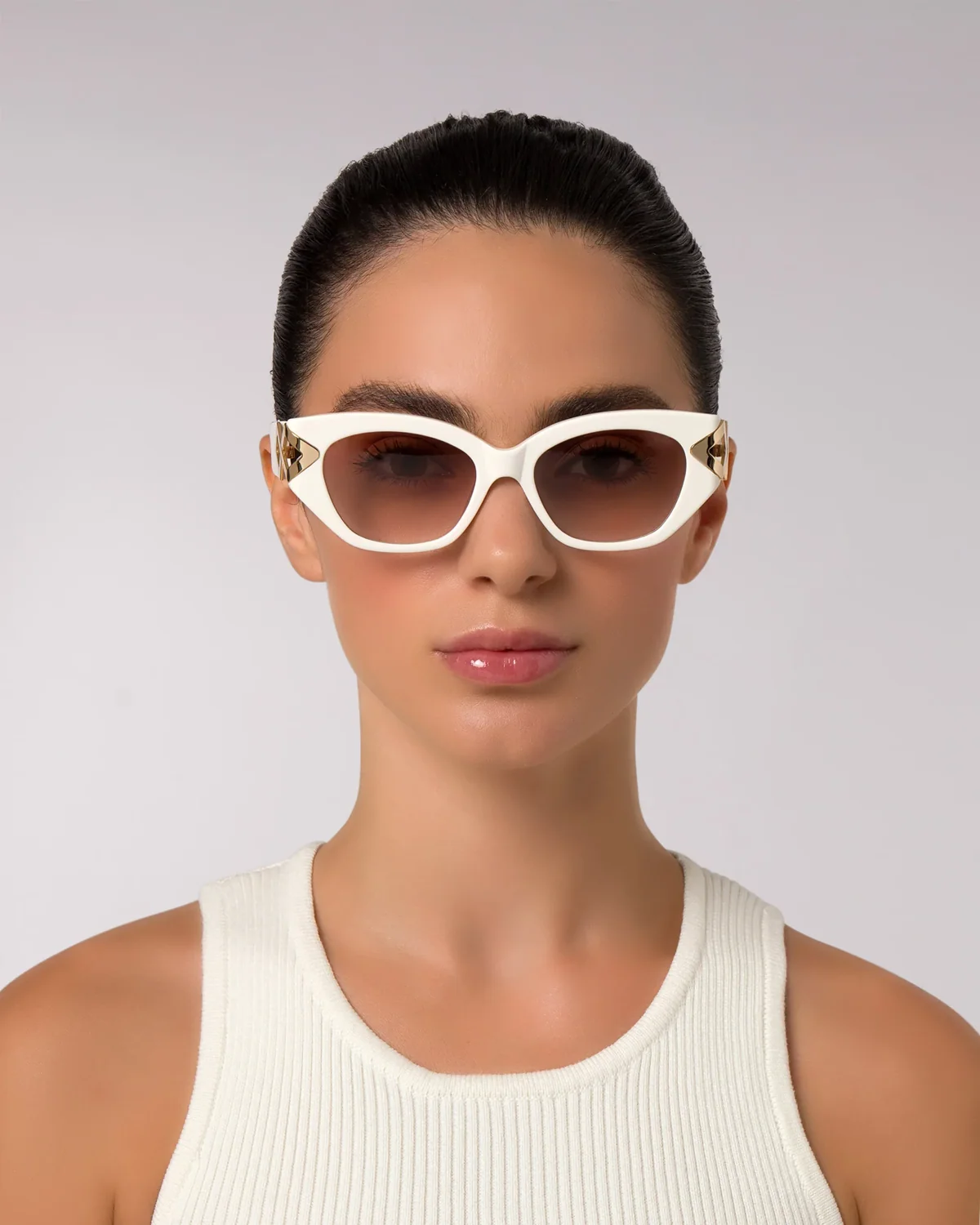
Show bridge position, frame width and the way the glasses sit. Combine product-page crops with campaign images when needed.
Explain frame shape, lens colour and on-face fit with eyewear photography and video. Choose clean catalogue views, model content and campaign imagery for optical and sunglasses collections.
Capture eyewear packshots with clear frame edges and controlled lens reflections. Keep front, angle, side and folded views aligned across optical and sunglasses ranges.
Show how frames sit across the bridge, temples and face. On-model eyewear photography gives customers a clearer reference for proportions and styling.
Style optical frames and sunglasses with surfaces and props that suit the collection. Create product compositions for banners, launches and retail campaigns.
Build eyewear editorials and lifestyle scenes around casting, wardrobe and location. Present the frames within a visual story that follows the brand direction.
Capture head turns, frame adjustments and natural model movement to show eyewear in use. Plan short clips for product galleries and social advertising.
Use 360-degree eyewear views and animation to reveal hinges, arms and frame profiles. Agree the angles and motion needed to explain the design.
In eyewear photography, the front silhouette may look identical across variants. A three-quarter view reveals the temple colour and the depth of the frame. Add an open side view for the hinge or patterned arm. Keep the background consistent across tinted sunglasses so the lens colours are easier to compare.
We can test lighting on a sample frame and agree how much reflection to retain so the lens finish reads correctly.
Send the number of frames and colourways, the required angles and any on-model or motion references.
A straight-on view shows lens shape, a three-quarter angle shows the bridge, and an on-model view gives a reference for width. Include the temple detail where it distinguishes the model.
Photograph the base frame, the attachment and the assembled pair. Supply the model code and an example showing the correct fit.
Specify which arm carries the mark and whether the model number must be legible. Use a close detail beside the full frame view.
Share your frame range, lens finishes and required product-page angles.


