Choose the views that answer buying questions
For a catalogue range we agree a repeatable opening angle, a detail shot and an end frame. For a single launch film, camera movement and lighting can follow the defining feature instead.
A still establishes what the product looks like; movement can show how light travels across a surface or how a clasp opens. We design the sequence around what a shopper needs to see.
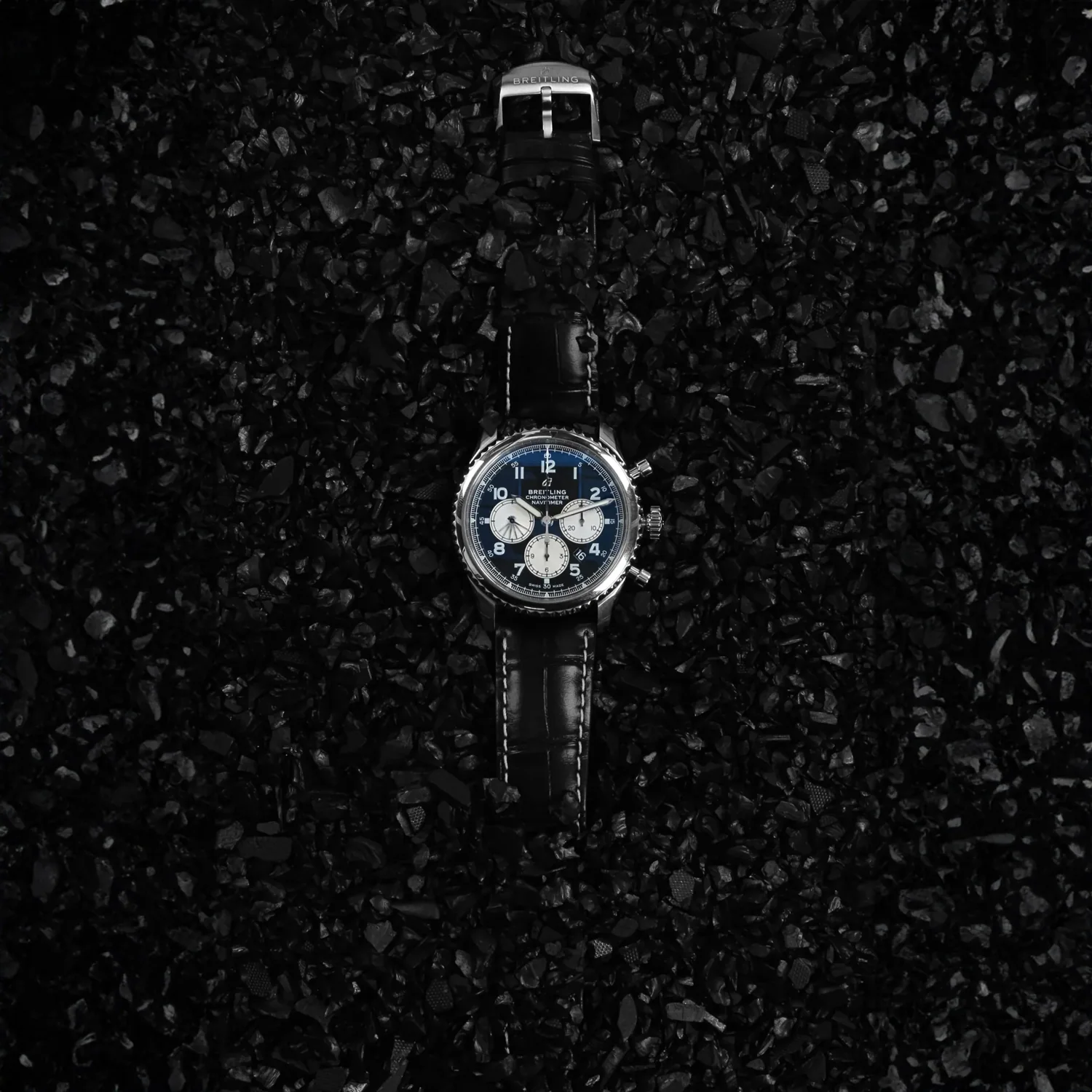
For a catalogue range we agree a repeatable opening angle, a detail shot and an end frame. For a single launch film, camera movement and lighting can follow the defining feature instead.
Start with the full watch face, move across the dial to reveal its finish, and close with the clasp in use. Keep the serial or model reference legible where the brief requires it.
Movement can explain an item in a way a still image cannot. A slow turn describes the shape, an opening lid reveals storage, and a close shot shows a setting change. Choose one main action for a short product video and keep the label visible long enough to identify the model.
List the SKUs, priority features and required views. Flag any samples that cannot be opened, switched on or handled normally.
Yes. Share the existing crops, backgrounds and colour references so the opening and closing frames sit naturally in the gallery.
Plan matching start and end positions and review the loop in the website player. Leave time to recognise the product before the action repeats.
Choose rotation when the buying question concerns shape. If models differ in a hinge, adjustment or control, show that feature in use first.
Share a sample product, a product-page link and the features to film.


