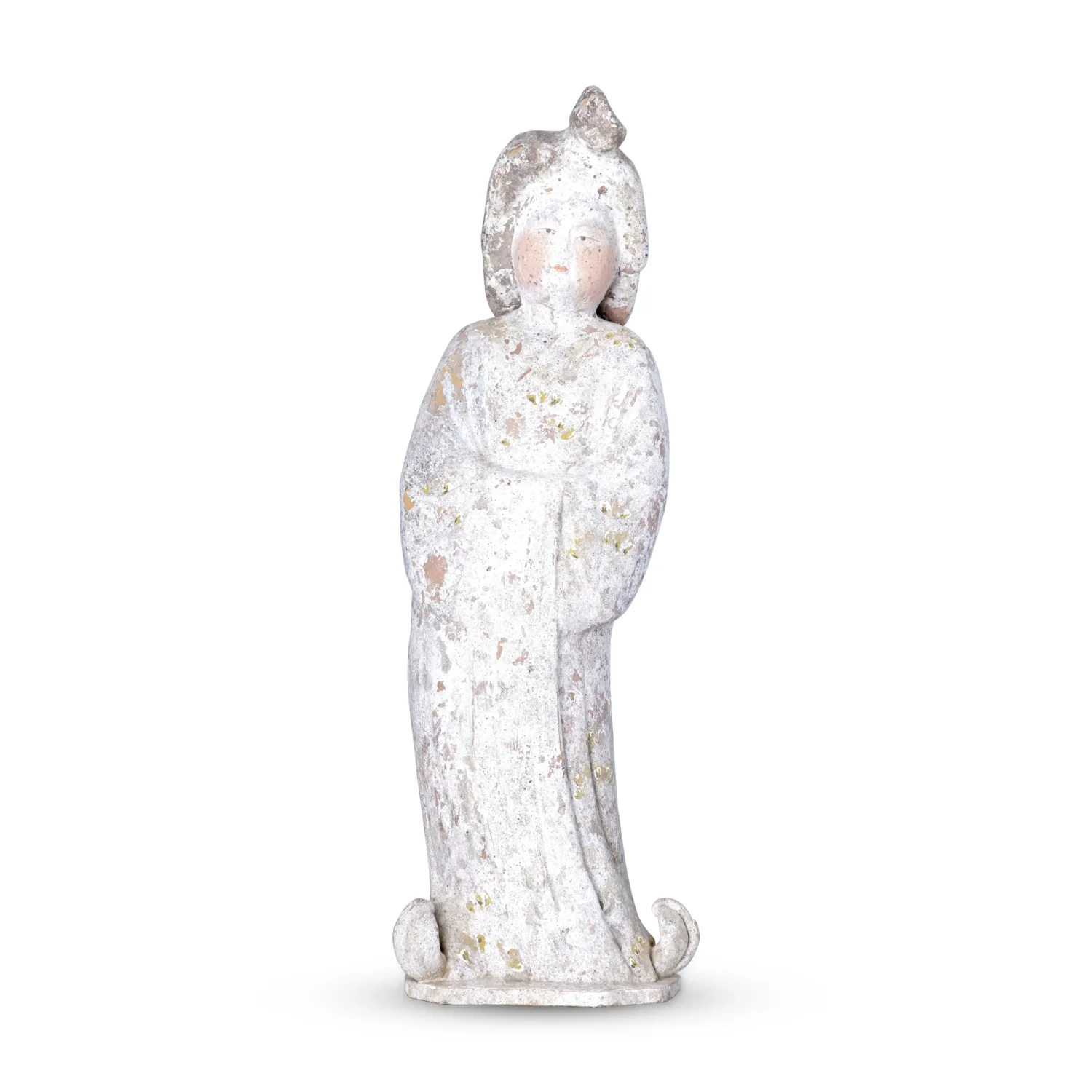
Catalogue presentation
Agree straight-on or angled views for paintings, decorative objects and three-dimensional pieces. Keep framing and colour references consistent across the collection.
Present artworks and collected objects with photographs that explain their form, material and surface. We plan catalogue and styled imagery around the dimensions and handling needs of each piece.
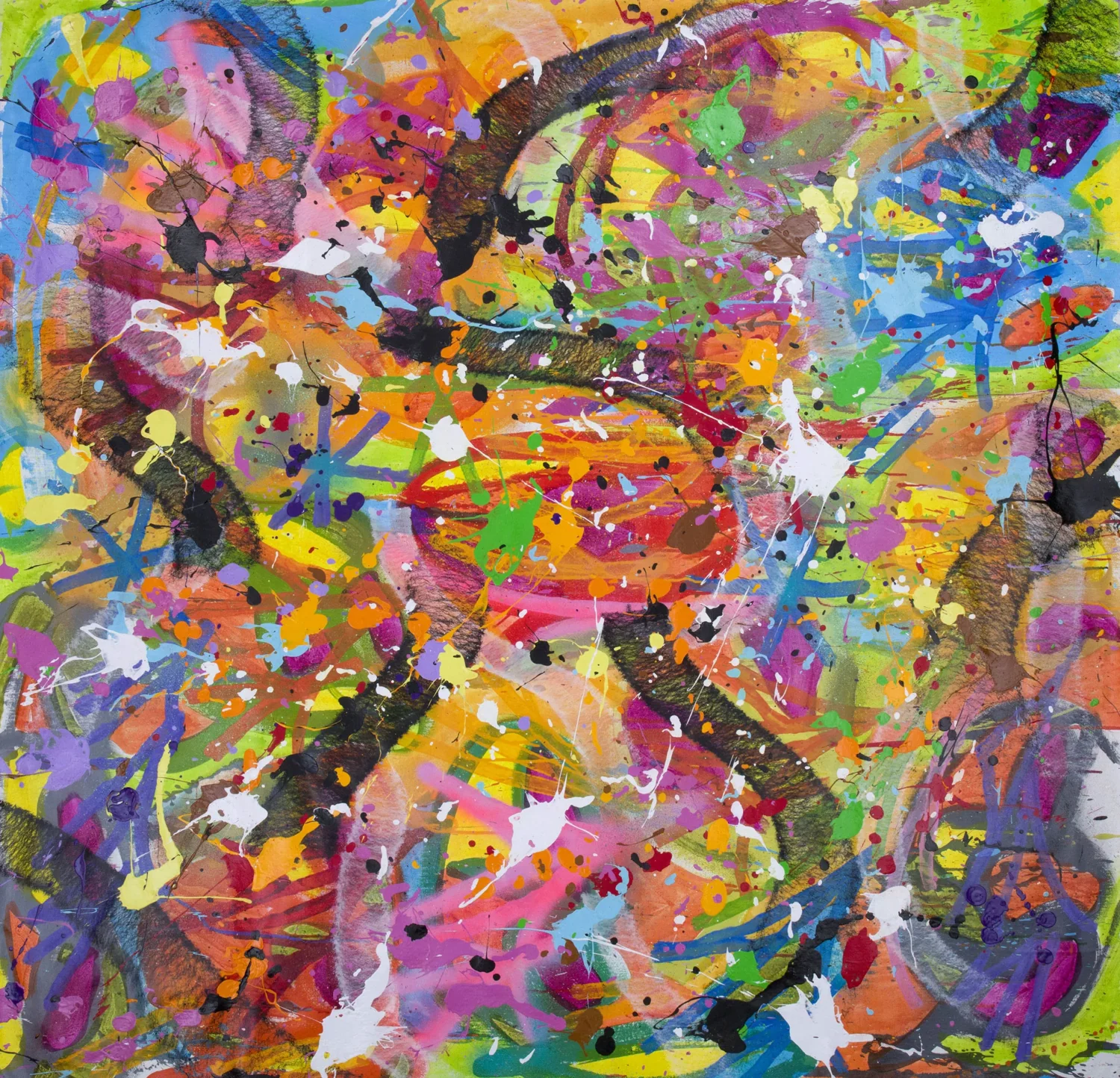
Agree straight-on or angled views for paintings, decorative objects and three-dimensional pieces. Keep framing and colour references consistent across the collection.
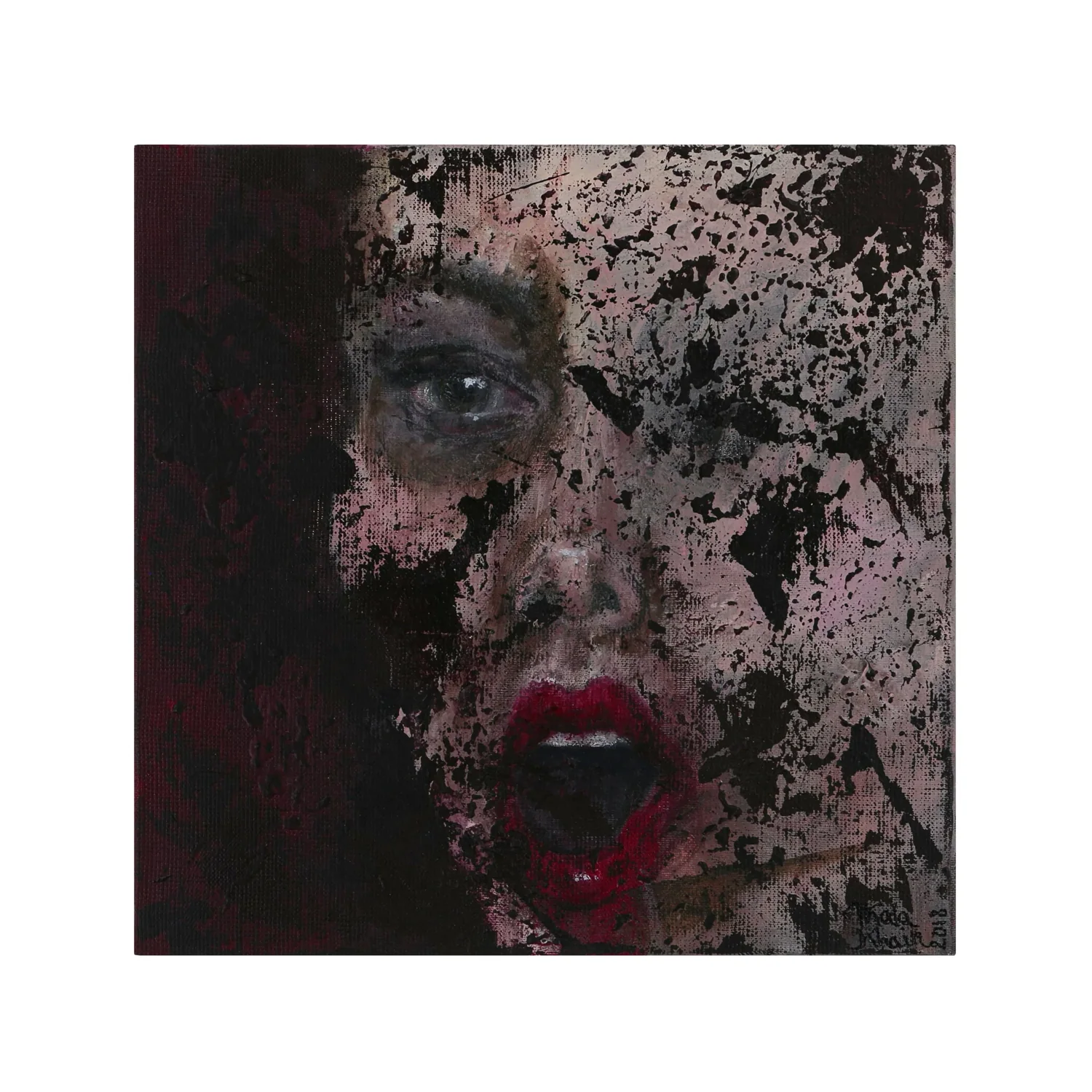
Use considered light and close views to show the surface, craftsmanship and visible details. Include dimensions and any handling notes in the brief.
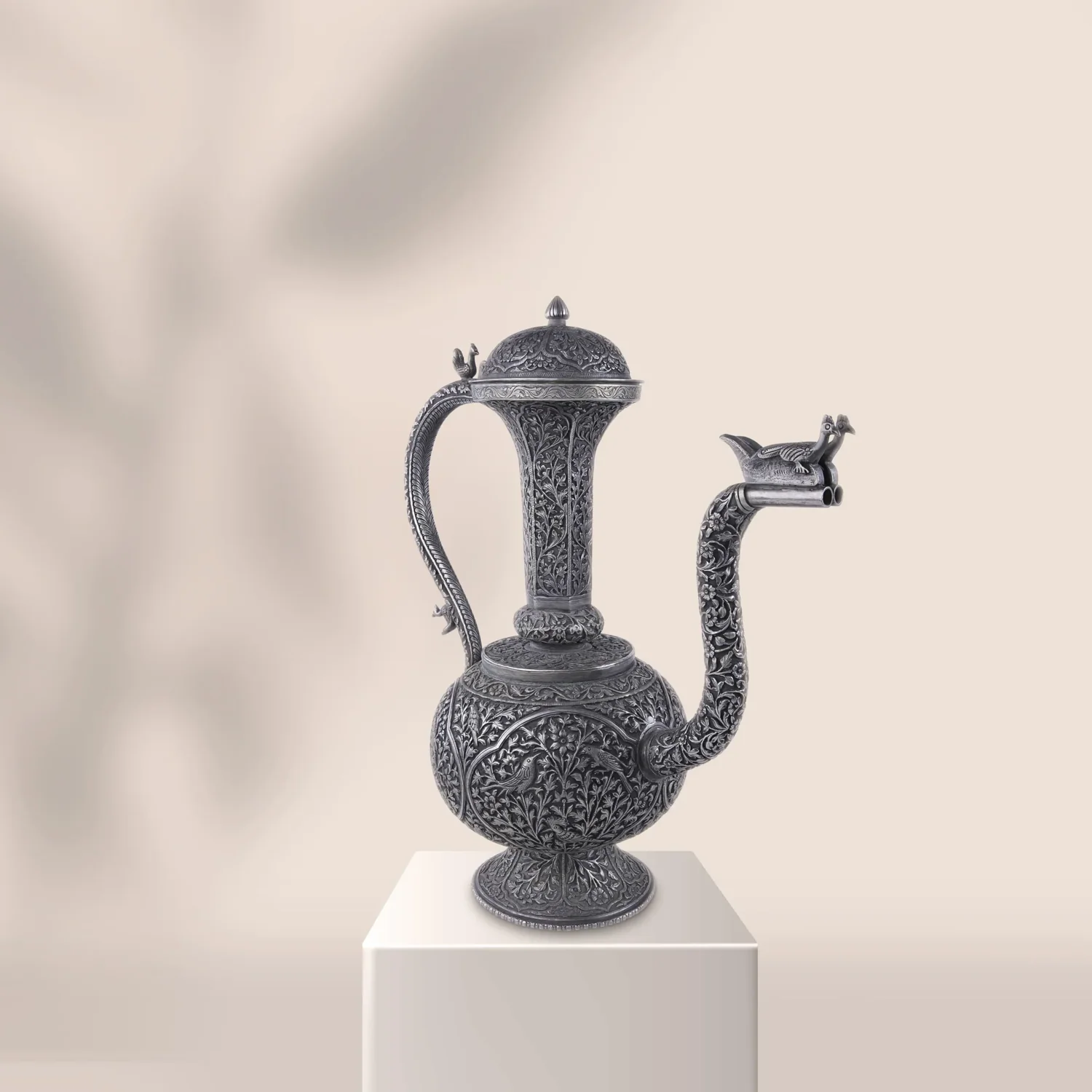
Arrange related works within a considered still life. Use surfaces, spacing and light to explain how objects relate within the collection.
Document artwork, decorative objects and antiquities with attention to surface, shape and colour. Choose clean catalogue photographs, styled compositions and rotation views to explain each piece.
Photograph artworks and collected objects against a clean background. Agree colour references, straight-on views, scale and close details for catalogues and online listings.
Arrange artwork and antiquities within a considered still life. Use surfaces, lighting and composition to explain the material, form and relationship between pieces.
Show sculptures and three-dimensional objects from multiple sides with 360-degree views and animation. Plan handling and rotation around the dimensions and condition of the piece.
A square-on photograph records a painting’s composition, while another view can show its mount or frame. An antique object may need several angles to explain its shape. Match each detail image to the inventory number so signatures, maker’s marks and surface features stay with the correct collection record.
Provide an inventory, dimensions, materials, required views and colour references. Include handling requirements and details of frames, stands or display supports.
Share reference photographs and information about the surfaces. We will plan lighting and viewing angles around the material and the details you need to show.
Identify the marks, signatures and repairs that need recording. Combine a straight reference image with detail views and agree handling restrictions with the owner before moving the piece.
Capture the framed piece if that is how it is displayed or sold. Request a separate crop of the work and supply the dimensions of both.
Include the inventory number in the shot list and filenames. Pair a close view of each mark with a wider view indicating its location.
Share the collection inventory, dimensions, reference views and handling requirements.


