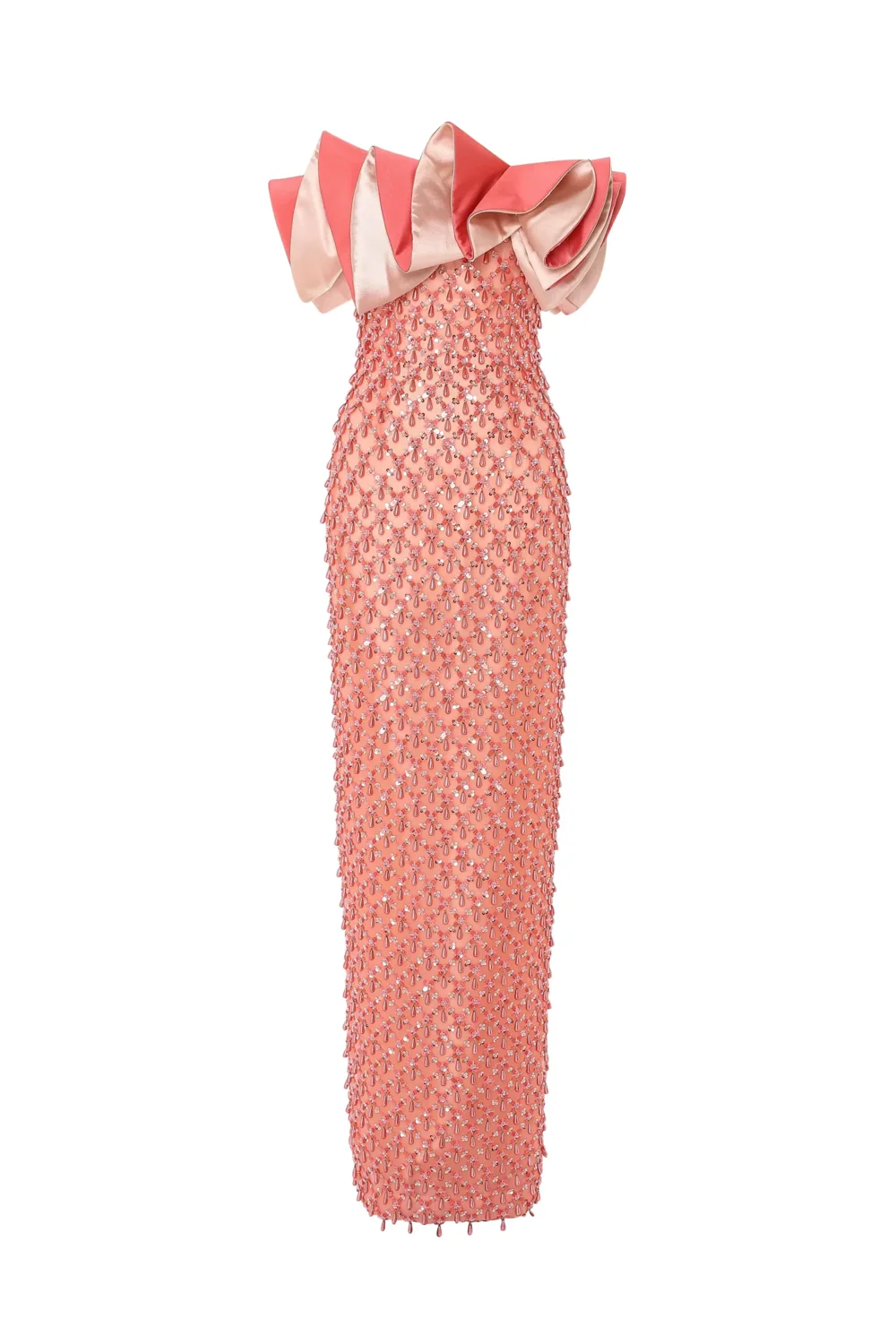
Shape and fit
Prepare, pin and position the garment so the shoulder line, sleeves and hem read naturally. Capture the agreed front, back and profile views.
Show how garments hold their shape in clean e-commerce images. We photograph clothing on a vertical mannequin and combine the necessary views in post-production to create the invisible mannequin effect.
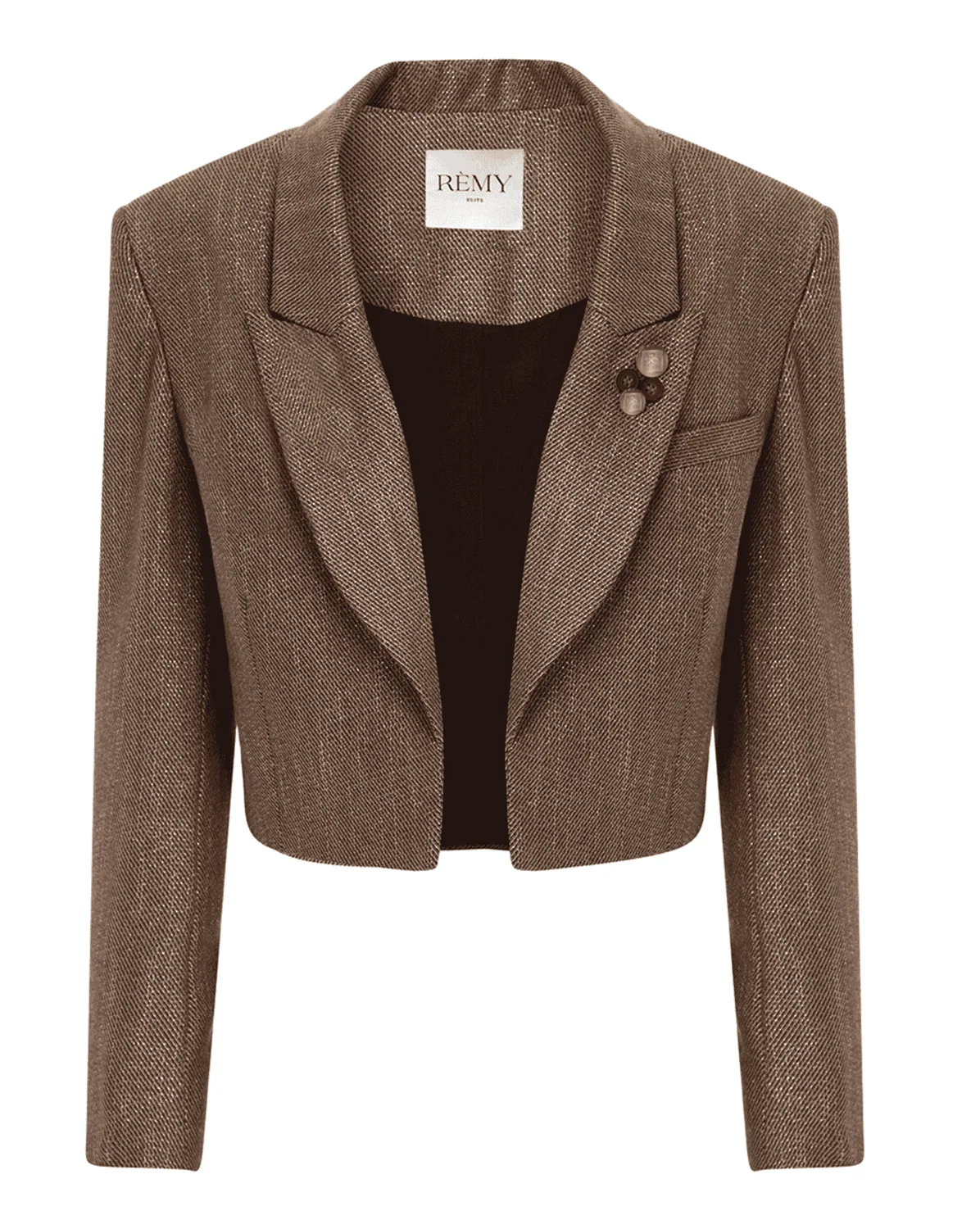
Prepare, pin and position the garment so the shoulder line, sleeves and hem read naturally. Capture the agreed front, back and profile views.
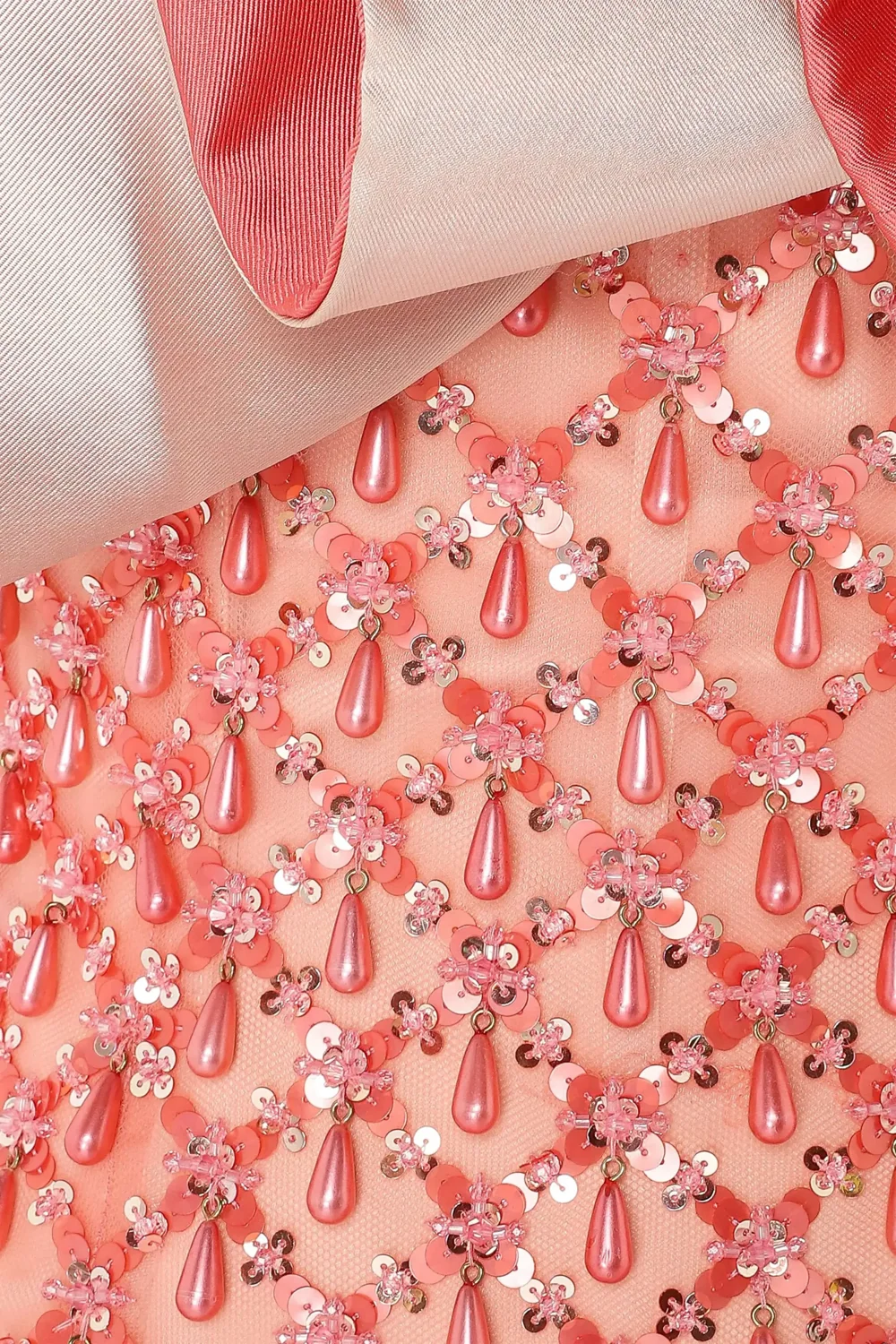
Capture additional interior angles when needed. Composite the visible lining and inside-neck detail so the final image shows how the garment is constructed.
Agree the crop, background and colour reference on a sample. Repeat the setup across the range and name the files by style, variant and view.
An invisible mannequin gives clothing volume, but the inside of a collar or the lining of an open jacket still needs a separate frame. Plan it while the sample is on set. For a whole clothing range, a reference of shoulder width and hem position keeps the finished ghost mannequin images consistent.
It is useful for shirts, jackets, dresses and other pieces where shape matters. Send references for unusual cuts or very light fabrics so we can test the best setup.
Yes. Use invisible mannequin views for shape and flat lay for print, construction or styling details. We can capture both from one shot list.
Send a reference showing how it should sit. Photograph the interior fabric that would otherwise be hidden by the mannequin.
Use the fastened view for the silhouette and an open view when the lining or closure matters. List both if each explains a different feature.
Share your garment types, sample sizes, view list and store crop requirements.


