Match the action to the product
Casting, wardrobe and props should make the product easier to understand. Agree framing for full-length, mid-length and detail shots before the model arrives on set.
Seeing a product on a person provides a reference for scale and movement. We direct each action so the featured item stays visible, whether it is a ring, a handbag or a complete look.
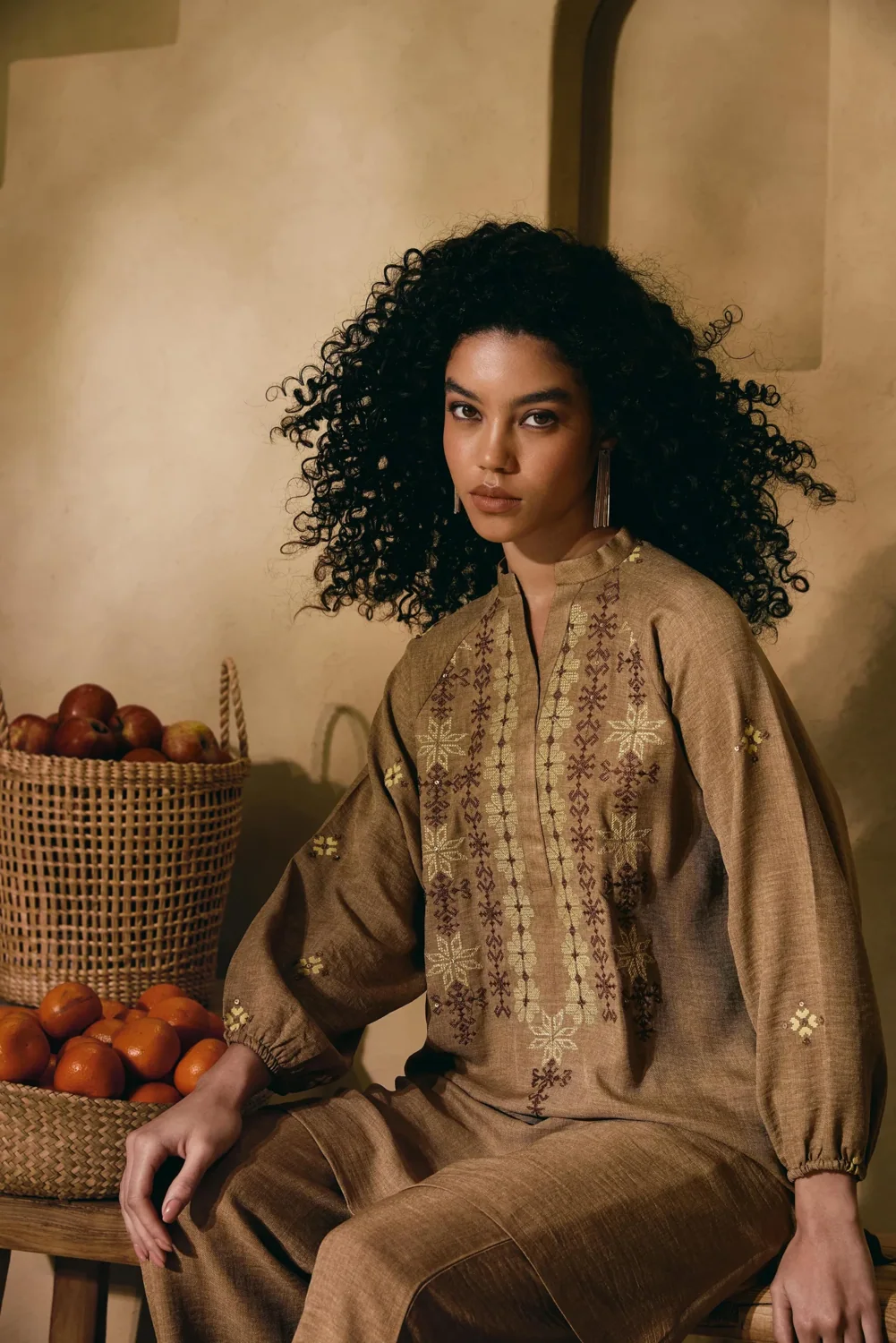
Casting, wardrobe and props should make the product easier to understand. Agree framing for full-length, mid-length and detail shots before the model arrives on set.
Show the bag worn while walking, then pause for a close view of the strap adjustment. Finish with the bag in hand so the viewer can judge scale relative to the model.
A model lifestyle video can show where a strap rests, how a jacket moves or how a bag is carried on a busy day. Build the scene around a familiar gesture and include enough of the model to show scale. Then move closer for the product detail that matters to the viewer.
Yes. Include both in the casting and usage brief and reserve time for separate still poses and movement takes.
Not always. A styled studio set can establish context; a location makes sense when the surroundings are part of the product story.
Record sleeve length, fastening position, accessories and the side the item is worn on. A reference still helps the close-up match the wide shot.
Yes, when explaining the gesture is enough. Identify the action and product detail the viewer must see, then choose a crop that keeps both visible.
Send the looks, sample sizes and activities you want the model to show.


