Design the loop before moving the first prop
We mark positions, lock the camera and control the light so each small adjustment reads as deliberate movement. The final position can return to the starting frame for a seamless loop.
Stop motion makes real objects move a little between photographs. It works well when the sequence itself tells the story: a box opens, a range appears or ingredients assemble around a pack.
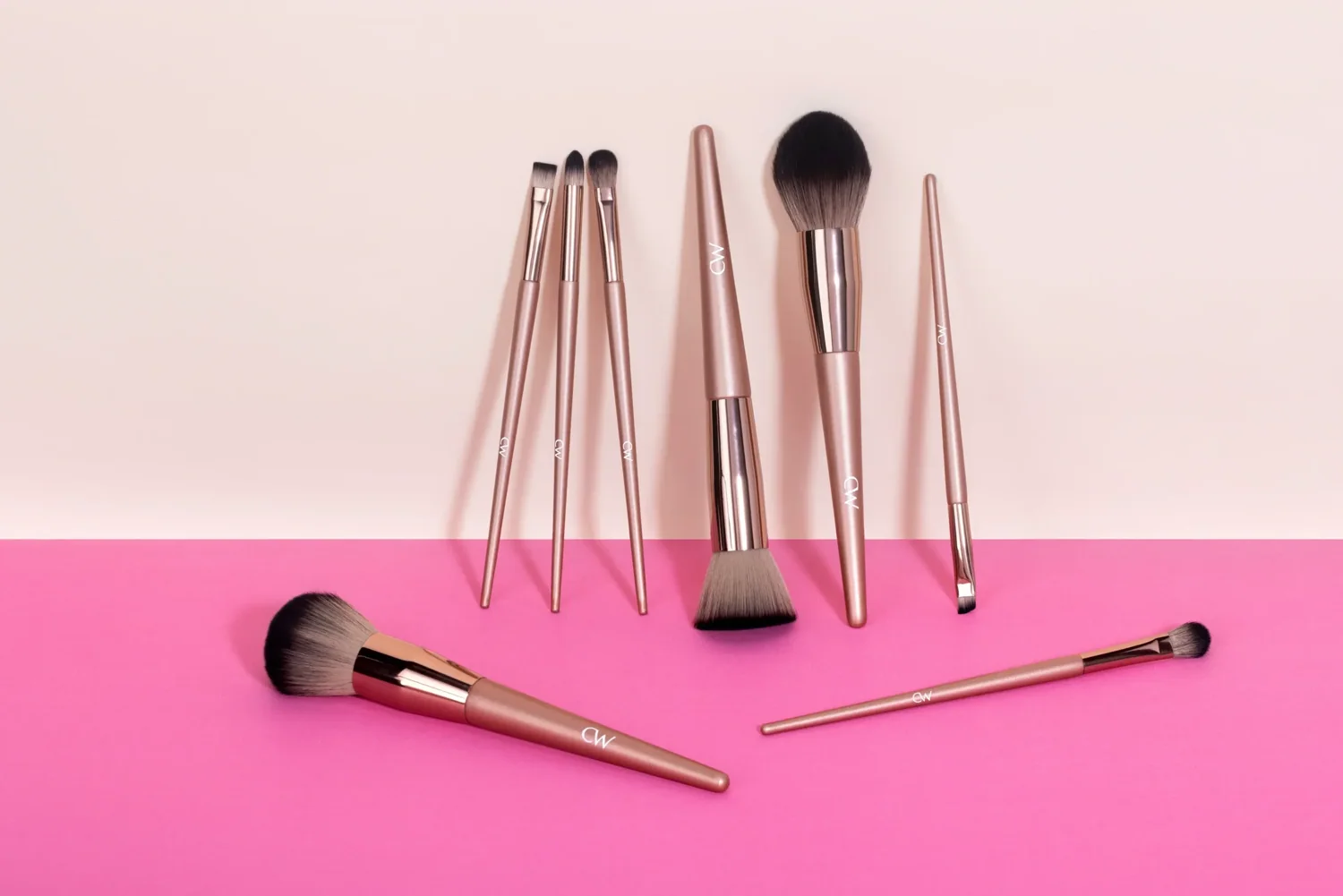
We mark positions, lock the camera and control the light so each small adjustment reads as deliberate movement. The final position can return to the starting frame for a seamless loop.
The lid slides aside, each item steps into place and the arrangement pauses as a complete set. Reverse or rebuild the closing motion to return to a clean opening frame.
In stop-motion product video, the camera can stay fixed while bottles assemble into a line, a carton opens or ingredients travel across a set. Sketch the starting and ending arrangements first. Mark the position of anything that must return to the same spot, especially in a repeating loop.
They help when a pack must be opened, cut or reset. Share the storyboard so we can identify which items are changed during the sequence.
Yes. We time the movement and pauses so the sequence is readable on mute; sound can be added as a separate creative choice.
Choose an end arrangement that leads back to the opening frame. Test the join in the storyboard before setting up a sequence with many small props.
Plan the switch at a specific frame and match the positions. Supply packs with the same artwork and fill level for a continuous action.
Send the pack dimensions, intended loop and available product samples.


